




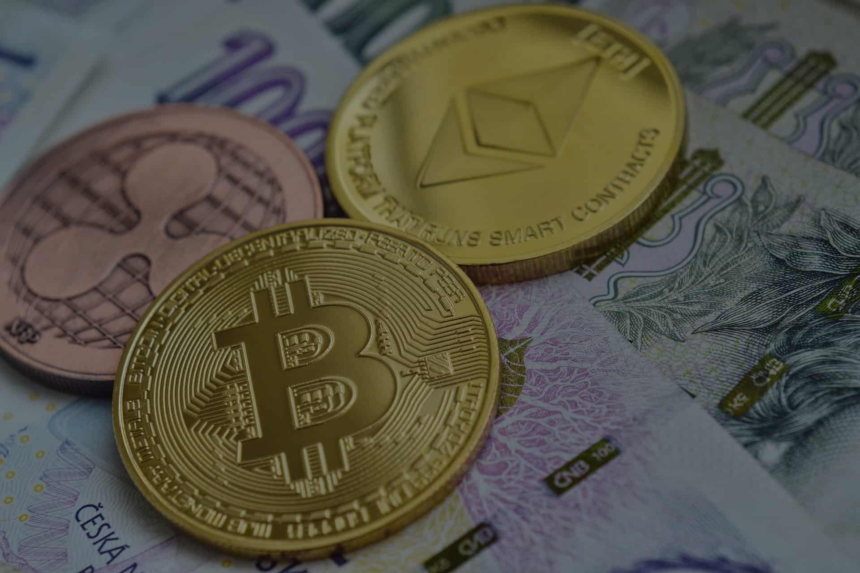
The world of money is changing fast. In the past, people depended completely on banks, payment companies, and financial institutions to save, borrow, or transfer money. Today, a new system called Decentralized Finance, also known as DeFi, is giving people more control over their finances.
- What Is Decentralized Finance?
- How Traditional Finance Works
- How DeFi Is Different
- Why People Are Interested in DeFi
- What Is a Crypto Wallet?
- What Are Smart Contracts?
- Common Uses of DeFi
- Lending and Borrowing
- Decentralized Exchanges
- Yield Farming
- Stablecoins
- Advantages of Decentralized Finance
- Risks of DeFi
- Is DeFi the Future of Finance?
- How Beginners Can Start With DeFi
- Final Thoughts
- Frequently Asked Questions (FAQs)
Many people hear the term DeFi and think it sounds complicated or technical. But the basic idea is actually simple. DeFi is a financial system built on blockchain technology that allows people to use financial services without traditional banks or middlemen.
This article explains decentralized finance in easy words so anyone can understand it, even beginners.
What Is Decentralized Finance?
Decentralized Finance (DeFi) is a digital financial system that works without banks or central authorities. Instead of relying on a bank to manage money, DeFi uses blockchain networks and smart contracts.
A blockchain is a public digital record that stores information securely. Smart contracts are automatic computer programs that follow rules and complete actions without human control.
In simple words, DeFi allows people to:
- Send money
- Borrow funds
- Earn interest
- Trade digital assets
- Invest online
without needing permission from a bank or company.
The most popular blockchain used for DeFi is Ethereum, although other networks also support DeFi services.
How Traditional Finance Works
To understand DeFi better, think about how normal banking works.
When you deposit money into a bank:
- The bank controls your money.
- The bank decides interest rates.
- Transfers may take time.
- Banks charge service fees.
- Some people cannot even open bank accounts.
Traditional finance depends on middlemen. Every transaction passes through institutions that verify and process payments.
This system works well in many situations, but it also has limitations.
How DeFi Is Different
DeFi removes the middleman. Instead of banks, smart contracts handle transactions automatically.
For example:
- You can lend crypto directly to another person.
- You can trade assets without a broker.
- You can earn rewards by providing liquidity.
Everything happens online through decentralized applications called dApps.
The biggest difference is control. In DeFi, users control their own funds through digital wallets instead of giving control to banks.
Why People Are Interested in DeFi
DeFi became popular because it offers more freedom and accessibility.
Here are some reasons why people use it:
1. Anyone Can Access It
You only need an internet connection and a crypto wallet. People in countries with weak banking systems can still use financial services.
2. Fast Transactions
International bank transfers may take days. DeFi transactions often happen within minutes.
3. Lower Fees
Traditional financial systems involve many service charges. DeFi platforms can reduce these costs by removing intermediaries.
4. Full Control of Funds
Users keep control of their assets instead of trusting a bank.
5. Transparency
Most DeFi platforms operate on public blockchains, so transactions can be viewed openly.
What Is a Crypto Wallet?
A crypto wallet is like a digital bank account. It stores the keys needed to access cryptocurrencies and DeFi applications.
Popular wallets include:
- MetaMask
- Trust Wallet
- Coinbase Wallet
These wallets allow users to connect directly with DeFi platforms.
Unlike banks, if you lose your wallet password or recovery phrase, nobody can recover it for you. This gives freedom but also creates responsibility.
What Are Smart Contracts?
Smart contracts are the heart of decentralized finance.
A smart contract is a program stored on a blockchain that automatically executes actions when conditions are met.
For example:
- If someone repays a loan, collateral is released automatically.
- If two users agree to exchange tokens, the trade happens instantly.
No employee or company is needed to approve the transaction.
Smart contracts reduce delays and human errors.
Common Uses of DeFi
DeFi offers many financial services. Here are the most common examples.
Lending and Borrowing
People can lend their cryptocurrency and earn interest. Others can borrow funds by providing collateral.
Platforms such as Aave and Compound became popular for this purpose.
This works similarly to a bank loan, but without paperwork or credit checks.
Decentralized Exchanges
A decentralized exchange allows users to trade cryptocurrencies directly from their wallets.
Traditional exchanges hold customer funds. Decentralized exchanges do not.
Popular decentralized exchanges include:
- Uniswap
- PancakeSwap
These platforms use liquidity pools instead of traditional buyers and sellers.
Yield Farming
Yield farming means earning rewards by locking crypto assets into DeFi platforms.
Users provide liquidity to trading pools and receive rewards in return.
Some investors use yield farming to generate passive income, although rewards can change quickly.
Stablecoins
Cryptocurrency prices often rise and fall dramatically. Stablecoins were created to solve this problem.
Stablecoins are digital currencies linked to stable assets like the US dollar.
Popular stablecoins include:
- USDT
- USDC
They are commonly used in DeFi because their value stays relatively stable.
Advantages of Decentralized Finance
DeFi offers several important benefits.
Financial Freedom
People control their own money without depending on banks or governments.
Open Access
Anyone with internet access can join.
Transparency
Transactions are visible on public blockchains.
Innovation
Developers constantly create new financial tools and services.
Global Usage
DeFi works across borders without requiring traditional bank systems.
Risks of DeFi
Although DeFi offers exciting opportunities, it also has risks.
Smart Contract Bugs
If a smart contract contains errors, hackers may steal funds.
Price Volatility
Cryptocurrency values can change quickly, causing losses.
Scams and Fraud
Some fake DeFi projects trick investors into losing money.
Lack of Regulation
Many DeFi platforms operate without government oversight.
User Responsibility
If users lose private keys or send funds incorrectly, recovery is usually impossible.
Because of these risks, beginners should start carefully and research platforms before investing.
Is DeFi the Future of Finance?
Many experts believe decentralized finance could become an important part of the future financial system.
DeFi is already changing how people think about money, investing, and online payments. Large companies and even banks are studying blockchain technology closely.
However, DeFi is still developing. Some platforms succeed, while others fail. Regulations may also change how the industry operates in the future.
Most likely, traditional finance and decentralized finance will exist together for many years.
How Beginners Can Start With DeFi
If you are curious about DeFi, start slowly.
Here are a few beginner steps:
- Learn basic cryptocurrency concepts.
- Create a secure crypto wallet.
- Buy a small amount of crypto.
- Explore trusted DeFi platforms.
- Never invest more than you can afford to lose.
Education is very important in the DeFi world.
Final Thoughts
Decentralized finance is making financial services more open, global, and accessible. Instead of depending completely on banks, people can now manage money directly through blockchain technology.
While DeFi still has risks and challenges, it also creates exciting opportunities for innovation and financial freedom. Understanding the basics is the first step toward exploring this growing digital economy.
The key idea is simple: DeFi gives people more control over their money by removing middlemen and using smart technology.
As blockchain technology continues to improve, decentralized finance may play a major role in the future of global finance.
Frequently Asked Questions (FAQs)
1. What does decentralized finance mean?
Decentralized finance means financial services that work without traditional banks or central authorities. It uses blockchain technology and smart contracts.
2. Is DeFi safe for beginners?
DeFi can be risky because of scams, hacking, and price volatility. Beginners should research carefully and start with small amounts.
3. Do I need a bank account to use DeFi?
No. Most DeFi platforms only require a crypto wallet and internet connection.
4. What is the difference between DeFi and cryptocurrency?
Cryptocurrency is digital money, while DeFi is a system of financial services built using cryptocurrencies and blockchain technology.
5. Can people make money with DeFi?
Yes. Some people earn money through lending, staking, yield farming, or trading. However, losses are also possible because the market is risky.