




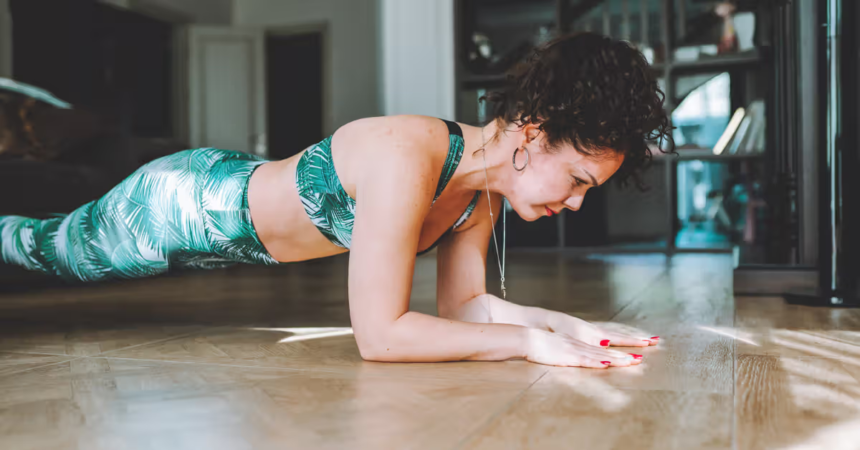
Many people believe they need a gym membership or expensive machines to get fit. The truth is that you can build strength, lose weight, improve flexibility, and stay healthy without using any equipment at all. A home workout routine without equipment is one of the easiest and most affordable ways to exercise. You only need a small space, comfortable clothes, and the motivation to move your body.
- Why Choose a Home Workout Without Equipment?
- Benefits of Bodyweight Exercises
- Best Warm-Up Before Exercise
- Easy Home Workout Routine Without Equipment
- Importance of Rest and Recovery
- Healthy Eating for Better Results
- How to Stay Motivated
- Common Mistakes to Avoid
- Who Can Follow This Workout Routine?
- Final Thoughts
- FAQs
Home workouts have become very popular because they save time and money. You do not need to travel to a gym or wait for machines. You can exercise in your bedroom, living room, or even outside in your backyard. These workouts are also perfect for beginners because many exercises use natural body movements that are easy to learn.
The best thing about bodyweight workouts is that they work for almost everyone. Whether you are a student, office worker, parent, or older adult, you can create a simple routine that matches your fitness level. Regular exercise improves your heart health, strengthens muscles, increases energy, and helps reduce stress. Even 20 to 30 minutes a day can make a big difference in your health.
Why Choose a Home Workout Without Equipment?
There are many reasons why people prefer home workouts. First, they are completely free. Gym memberships and fitness equipment can be expensive, but bodyweight exercises cost nothing.
Second, home workouts are convenient. You can exercise anytime that fits your schedule. Some people like morning workouts because they increase energy for the day. Others prefer evening sessions to relax after work.
Another benefit is privacy. Many beginners feel nervous at the gym. Exercising at home allows you to learn at your own pace without feeling judged.
Home workouts also improve consistency. Since there are fewer obstacles, it becomes easier to follow a regular routine. Consistency is the key to fitness success.
Benefits of Bodyweight Exercises
Bodyweight exercises use your own weight as resistance. These exercises train multiple muscles at the same time and improve overall fitness.
Some major benefits include:
- Improved muscle strength
- Better balance and flexibility
- Increased stamina and endurance
- Fat burning and weight loss
- Better posture
- Stronger bones and joints
- Reduced stress and anxiety
Unlike heavy gym machines, bodyweight exercises often feel more natural for the body. They also lower the risk of serious injury when performed correctly.
Best Warm-Up Before Exercise
Before starting any workout, warming up is important. A warm-up prepares your muscles and joints for movement. It also increases blood flow and reduces the chance of injury.
A simple 5-minute warm-up can include:
- Marching in place
- Arm circles
- Jumping jacks
- High knees
- Light stretching
After warming up, your body feels more active and ready for exercise.
Easy Home Workout Routine Without Equipment
Here is a simple beginner-friendly workout routine you can follow at home. Perform each exercise for 30 seconds and rest for 15 seconds between exercises. Repeat the full circuit 3 times.
1. Squats
Squats strengthen your legs, hips, and glutes. Stand with your feet shoulder-width apart. Lower your body like you are sitting in a chair, then stand back up.
Benefits:
- Builds lower body strength
- Improves balance
- Burns calories
2. Push-Ups
Push-ups are one of the best upper-body exercises. Start in a plank position and lower your chest toward the floor before pushing back up.
Benefits:
- Strengthens chest and arms
- Improves core stability
- Builds endurance
Beginners can do knee push-ups if standard push-ups feel difficult.
3. Plank
The plank is excellent for core strength. Keep your body straight while resting on your forearms and toes.
Benefits:
- Strengthens abdominal muscles
- Improves posture
- Supports lower back health
4. Lunges
Step one leg forward and lower your hips until both knees form a 90-degree angle.
Benefits:
- Builds leg muscles
- Improves coordination
- Strengthens hips and knees
5. Mountain Climbers
Start in a push-up position and quickly move your knees toward your chest one at a time.
Benefits:
- Increases heart rate
- Burns fat
- Improves agility
6. Glute Bridges
Lie on your back with knees bent. Lift your hips upward and slowly lower them back down.
Benefits:
- Strengthens glutes
- Supports lower back
- Improves hip flexibility
7. Jumping Jacks
This classic cardio exercise increases heart rate and improves endurance.
Benefits:
- Burns calories
- Improves circulation
- Warms up the entire body
Importance of Rest and Recovery
Many people think exercising every day without rest gives faster results. In reality, rest is very important. Your muscles repair and grow during recovery time.
Try to have at least one or two rest days each week. Sleep is also important for muscle recovery and energy. Adults should aim for 7 to 8 hours of quality sleep each night.
If your body feels very sore, take a light recovery day with stretching or walking.
Healthy Eating for Better Results
Exercise alone is not enough for a healthy body. Nutrition plays a major role in fitness progress.
Here are some simple healthy eating tips:
- Drink enough water daily
- Eat more fruits and vegetables
- Include protein like eggs, chicken, beans, or yogurt
- Avoid too much sugar and junk food
- Eat balanced meals instead of skipping meals
A healthy diet gives your body the fuel it needs for workouts and recovery.
How to Stay Motivated
Starting a workout routine is easy, but staying consistent can be challenging. Motivation often changes, so building healthy habits is important.
Here are some simple ways to stay motivated:
Set Small Goals
Instead of expecting fast results, focus on small goals like exercising three times a week.
Track Progress
Write down your workouts or take progress photos. Seeing improvement keeps you motivated.
Create a Routine
Exercise at the same time every day to build a habit.
Listen to Music
Music can make workouts more fun and energetic.
Celebrate Small Wins
Every workout completed is progress. Appreciate your efforts.
Common Mistakes to Avoid
Beginners often make mistakes that slow down progress or cause injuries.
Skipping Warm-Ups
Cold muscles are more likely to get injured.
Poor Form
Using incorrect posture can strain muscles and joints. Focus on proper technique instead of speed.
Doing Too Much Too Soon
Start slowly and increase intensity over time.
Ignoring Rest
Recovery is part of fitness success.
Giving Up Early
Results take time. Consistency matters more than perfection.
Who Can Follow This Workout Routine?
A home workout without equipment is suitable for almost everyone. Beginners can start slowly, while advanced users can increase repetitions or workout time.
Teenagers, adults, and older individuals can all benefit from bodyweight exercises. However, people with medical conditions or injuries should consult a doctor before starting a new exercise program.
Final Thoughts
A home workout routine without equipment is one of the simplest ways to improve your health and fitness. You do not need expensive machines or a gym membership to stay active. With bodyweight exercises, you can strengthen muscles, burn fat, improve energy, and feel healthier from the comfort of your home.
The secret to success is consistency. Start with short workouts, stay patient, and make exercise part of your daily lifestyle. Small efforts repeated regularly lead to big results over time.
Remember that fitness is not about being perfect. It is about becoming stronger, healthier, and more confident step by step.
FAQs
1. Can I lose weight with home workouts without equipment?
Yes, bodyweight exercises combined with a healthy diet can help burn calories and support weight loss.
2. How long should a beginner workout at home?
Beginners can start with 20 to 30 minutes, three to four times per week.
3. Are home workouts effective for building muscle?
Yes, exercises like push-ups, squats, and planks help build strength and muscle over time.
4. Do I need rest days between workouts?
Yes, rest days help muscles recover and reduce the risk of injury.
5. What is the best time to do home workouts?
The best time is whenever you can stay consistent. Morning and evening workouts both work well.