


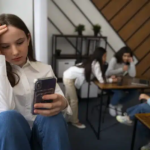


Procrastination is something almost everyone struggles with at some point. You know you have work to do, a goal to achieve, or a task waiting for you—but instead of starting, you delay it. You scroll your phone, clean random things, watch videos, or tell yourself “I’ll do it later.” Hours pass, sometimes days, and the pressure keeps building.
- What Procrastination Really Means
- Why We Procrastinate
- 1. The task feels too big
- 2. Fear of failure
- 3. Lack of clarity
- 4. Distractions are easier
- 5. No motivation
- How to Stop Procrastinating Effectively
- 1. Start with the “2-Minute Rule”
- 2. Break Big Tasks into Tiny Steps
- 3. Remove Distractions Before You Start
- 4. Use a Timer (The Pomodoro Technique)
- 5. Stop Waiting for Motivation
- 6. Set Clear Deadlines
- 7. Reward Yourself After Work
- 8. Forgive Yourself and Move On
- 9. Focus on Progress, Not Perfection
- 10. Build a Daily Routine
- Final Thoughts
The good news is that procrastination is not a personality trait. It is a habit—and habits can be changed. In this article, we will explore simple, realistic, and effective ways to stop procrastinating. No complicated theories, no overwhelming advice—just practical steps you can actually use in daily life.
What Procrastination Really Means
Procrastination is not laziness. That is an important thing to understand.
Laziness means you don’t want to do anything. Procrastination is different—you want to do the task, but you delay it because it feels uncomfortable, boring, stressful, or overwhelming.
For example:
- You want to study, but you feel it is too difficult, so you avoid it.
- You want to start a project, but you fear it won’t be perfect, so you delay it.
- You want to exercise, but you feel tired, so you postpone it.
So procrastination is not about lack of ability. It is about avoiding discomfort.
Why We Procrastinate
To stop procrastination, we first need to understand why it happens. Here are some common reasons:
1. The task feels too big
When something looks huge, your brain gets overwhelmed. Instead of starting, you avoid it completely.
2. Fear of failure
Sometimes we delay work because we are afraid the result won’t be good enough.
3. Lack of clarity
If you don’t know exactly what to do, your mind avoids confusion by doing nothing.
4. Distractions are easier
Social media, games, and videos give instant pleasure. Work gives delayed reward, so your brain chooses the easy option.
5. No motivation
Waiting for motivation often leads to delay, because motivation doesn’t always come first—action creates motivation.
How to Stop Procrastinating Effectively
Now let’s look at practical ways to break this habit and become more productive in a simple and realistic way.
1. Start with the “2-Minute Rule”
One of the most powerful ways to beat procrastination is to make the task extremely small.
Tell yourself:
“I will do this for just 2 minutes.”
For example:
- Open your notebook and write one line
- Open your laptop and create the file
- Read just one paragraph
Once you start, your brain naturally continues. The hardest part is starting, not doing.
2. Break Big Tasks into Tiny Steps
Big tasks create pressure. Small steps create action.
Instead of saying:
- “I will write my assignment”
Say:
- Open the document
- Write the title
- Write the first sentence
- Add one paragraph
Each small step feels easy, and suddenly the whole task becomes manageable.
3. Remove Distractions Before You Start
Your environment plays a huge role in procrastination.
Try this:
- Put your phone away or on silent
- Close unnecessary tabs on your browser
- Sit in a quiet place
- Keep only what you need on your desk
When distractions are not around, your brain has fewer excuses to avoid work.
4. Use a Timer (The Pomodoro Technique)
Set a timer for 25 minutes and focus only on one task. After that, take a 5-minute break.
This method works because:
- The task feels short and manageable
- You know a break is coming soon
- It builds focus without pressure
Even starting with just one 25-minute session can break procrastination.
5. Stop Waiting for Motivation
Motivation is not reliable. Some days you feel it, many days you don’t.
Instead of saying:
“I will do it when I feel motivated”
Say:
“I will start, and motivation will follow.”
Action creates energy. Once you begin working, you often feel more motivated naturally.
6. Set Clear Deadlines
Without deadlines, tasks keep moving forward endlessly.
Even if there is no official deadline, create your own:
- “I will finish this by 6 PM”
- “I will complete this section today”
- “I will study for 1 hour now”
Deadlines create urgency, and urgency reduces procrastination.
7. Reward Yourself After Work
Your brain loves rewards. Use this to your advantage.
After completing a task:
- Watch a video
- Eat something you like
- Take a short walk
- Listen to music
When your brain knows there is a reward after work, it becomes easier to start.
8. Forgive Yourself and Move On
Sometimes people get stuck in guilt:
“I wasted the whole day… I am so lazy…”
This only makes procrastination worse.
Instead:
- Accept the delay
- Don’t overthink it
- Start fresh from the current moment
Every moment is a new chance to restart.
9. Focus on Progress, Not Perfection
Many people procrastinate because they want everything to be perfect.
But perfection slows you down.
Instead of perfect:
- Aim for progress
- Aim for “done”
- You can improve later
A rough draft is better than no draft. A small step is better than no step.
10. Build a Daily Routine
A routine reduces decision-making. When you follow the same structure daily, your brain spends less time resisting.
Example:
- Morning: 30 minutes focused work
- Afternoon: main tasks
- Evening: review or light tasks
Consistency trains your brain to act automatically.
Final Thoughts
Procrastination is something everyone faces, but it does not have to control your life. The key is not to fight it with pressure, but to work with your brain in a simple way.
Start small. Remove distractions. Break tasks into steps. Take action even when you don’t feel like it. Slowly, your habits will change.
Remember: you don’t need to be perfect to be productive. You just need to start.
FAQs About How to Stop Procrastinating Effectively
1. Is procrastination a mental problem?
No, procrastination is not a mental illness. It is a habit or behavior pattern that can be changed with practice and awareness.
2. Why do I procrastinate even when I know the task is important?
This happens because your brain avoids discomfort. Even important tasks can feel stressful, boring, or overwhelming, so your mind delays them.
3. How long does it take to stop procrastinating?
It depends on the person, but small improvements can happen within days. Building strong habits may take a few weeks of consistent effort.
4. Can phone usage increase procrastination?
Yes. Phones and social media are major distractions because they give instant pleasure, making it harder to focus on long-term tasks.
5. What is the fastest way to overcome procrastination?
The fastest method is to start with a very small step, like the 2-minute rule. Once you begin, it becomes much easier to continue.